What makes Peruvian food different from anything you've eaten
Peruvian cooking is the result of three serious geographies (coast, sierra, amazon) layered with five waves of immigration: Spanish in the 1530s, enslaved Africans in the 17th century, Chinese in the 1850s (which created chifa), Italians from Genoa, and Japanese starting in 1899 (which created nikkei). Each one stayed long enough to be absorbed into the home kitchen, not just the restaurant.
What you eat in Lima today is that sediment. A stir-fry served with rice and french fries (lomo saltado). A raw fish dish with West African pickling logic and Pacific lime (ceviche). A potato — Peru has 4,000 varieties — turned into a cold layered terrine (causa). Almost every dish you'll see has a story you can taste.
This guide is the first ten dishes to try, in the order I'd order them. Six of them have their own dedicated page with prices, where to find them, and how to order. The other four are on the build list — for now, this is your starting map.
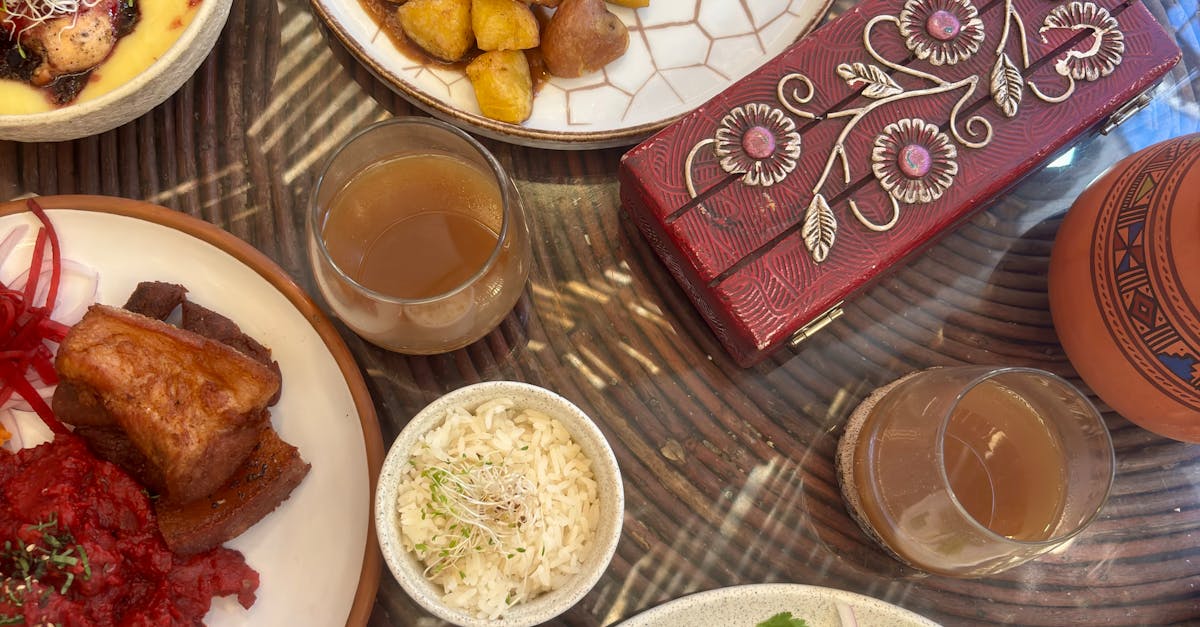
1. Ceviche — the one you must try first
Lima's signature dish. Raw fish "cooked" in lime juice with red onion, ají limo, salt, and cilantro. Served cold with sweet potato, cancha (toasted corn), and giant white kernels of choclo.
Eat it at lunch — by 14:30 most cevicherías are out of fish for the day. Never order it at dinner; the fish that's left has been there too long.
→ Full guide: Ceviche — what it is, how to order, what it should cost
2. Lomo Saltado — the most universal dish
Beef stir-fried fast and hot with red onion, tomato, soy sauce, and a splash of vinegar, served over rice with french fries on the same plate. The fries soak up the sauce. Yes, it's that good.
This is the safest "first Peruvian dish" if raw fish makes you nervous. Every restaurant in Lima makes a version, and most are at least decent. The hallmark of a great one is "el sabor del wok" — that smoky char you only get from a cast-iron pan over very high flame.
→ Full guide: Lomo Saltado
3. Ají de Gallina — Peruvian comfort food
Shredded chicken in a creamy yellow sauce made from ají amarillo (Peru's signature mild chili), bread, evaporated milk, walnuts, and parmesan. Served over a slice of boiled potato and white rice, with a black olive on top.
It's mild, rich, and not spicy despite the name. The best gateway dish for anyone with a cautious palate. Every menú del día has it — order it the first time you sit down at a barrio restaurant.
→ Full guide: Ají de Gallina
4. Anticuchos — the dish tourists wrongly skip
Beef heart marinated in ají panca, garlic, vinegar, and cumin, then grilled hard over coal and served on a wooden skewer with a piece of boiled potato and a wedge of choclo. Two of them = a full meal.
Skipping anticuchos because of the heart thing is the single most common rookie mistake in Lima. The texture is closer to flank steak than to organ meat, and they're some of the best street food on the continent.
→ Full guide: Anticuchos
5. Causa Limeña — the Peruvian potato in cold form
A cold layered terrine of yellow potato mashed with lime, oil, and ají amarillo, stuffed with tuna mayo, chicken salad, or avocado. Served chilled, often as a starter.
Causa is what convinces people that the Peruvian potato is a different ingredient than the one they know at home. Lighter and fresher than it sounds.
→ Full guide: Causa Limeña
6. Pan con Chicharrón — Lima's breakfast sandwich
Pieces of slow-cooked then deep-fried pork, layered into a French roll with sliced sweet potato (camote) and salsa criolla (red onion, lime, ají amarillo, cilantro). Eaten on weekend mornings.
Don't have it for dinner. This is a 9–11am Saturday/Sunday ritual, and it pairs with a cup of black coffee or chicha morada.
→ Full guide: Pan con Chicharrón
7. Pollo a la Brasa — what Lima eats on Sunday
Whole chickens marinated overnight (paprika, soy, beer, garlic, cumin) and roasted on a vertical spit over wood charcoal. Served with thick fries, a small salad, and three sauces: green ají, yellow ají, and mayo.
This is the #1 most-eaten dish in Peru — by volume, by frequency, by everyone. Sundays especially. Quarter chicken + fries + drink runs S/22–35 at a chain like Pardo's, S/15–22 at a neighborhood pollería.
A dedicated dish page is on the build list.
8. Tiradito — ceviche's elegant cousin
Sashimi-thin slices of raw fish (no onion) dressed at the table with a sauce based on lime, ají amarillo (yellow), ají rocoto (red), or chalk-like aji limo. The nikkei influence shows here clearly.
Less acidic than ceviche, more visual, and easier to share as a starter. Order it before the ceviche if you want to taste the fish itself, not just the marinade.
A dedicated dish page is on the build list.
9. Arroz Chaufa — Peruvian-Chinese fried rice
Lima's most popular chifa dish: white rice stir-fried with egg, scallions, soy sauce, and your choice of chicken, beef, shrimp, or all three (chaufa especial). Often served with a few wantán or a small soup.
Chifa is everywhere in Lima — there are more chifas than burger chains. Order chaufa your first time at one; it's the dish that proves the kitchen knows what it's doing.
A dedicated dish page is on the build list.
10. Picarones — the dessert that travels
Sweet potato and pumpkin doughnut rings, deep-fried and bathed in miel de chancaca (a syrup of unrefined cane sugar with orange peel, cinnamon, and clove). Served hot, eaten with your hands.
Found at street stalls, especially in Barranco on weekends. A perfect afternoon snack after a long lunch. Three of them and a coffee is the canonical pairing.
A dedicated dish page is on the build list.
Bonus: the next ten
When you've checked off the first ten, here's what to chase next:
- Tacu tacu — refried rice and beans pressed into a patty, topped with seafood or steak.
- Arroz con pollo — green (cilantro) rice with stewed chicken; menú del día staple.
- Seco de res — slow-braised beef with cilantro, served with white rice and frejoles.
- Rocoto relleno — Arequipa stuffed pepper, genuinely spicy.
- Chupe de camarones — Arequipan shrimp chowder, rich and warming.
- Cau cau — tripe and potato stew with mint; a beloved working-class dish.
- Suspiro a la limeña — caramel-condensed milk topped with port-flavored meringue.
- Mazamorra morada — purple corn pudding with stewed fruit.
- Picarones (already in the top 10 above — they earn it).
- Chicha morada — the purple corn drink, technically not a dish but on every table.
A 3-day eating plan
Don't try to cram everything into two meals. Peruvian portions are generous and the dishes are heavy — one big sit-down lunch a day plus light snacks is the local rhythm.
| Day | Lunch | Dinner / snack |
|---|---|---|
| Day 1 | Ceviche at a real cevichería (12:30–14:00) | Light: a chifa chaufa + soup |
| Day 2 | Aji de gallina + causa at a menú del día spot | Anticuchos street food (19:30–21:00) |
| Day 3 | Pollo a la brasa at a barrio pollería | Pan con chicharrón the next morning, then picarones in the afternoon |
That covers nine of the ten. Save lomo saltado for any meal you're unsure about — it's never a wrong answer.
Common mistakes
- Trying to eat all 10 in 3 days. You'll burn out and remember nothing.
- Ordering ceviche at dinner. The fish is from yesterday.
- Skipping anticuchos. You came to Lima. Don't waste the trip.
- Pollo a la brasa from a chain. Fine, but not why you flew here. Find a neighborhood pollería.
- Refusing the ají sauces. They're free, house-made, and half the meal. Try a small spoonful first if you're nervous.
- Eating only at "famous" restaurants. A S/20 menú del día at a packed local spot beats most of the names you'll see on Google.
Related
- The $5 lunch: how to eat the menú del día — the cheapest way to taste 4–5 of these dishes in your first week.
- How to order food in Lima — phrases for ordering, asking what's spicy, customizing your plate.
- Street food safety — what's safe from a cart (anticuchos and picarones are at the top of the list).
- Miraflores food guide — where to find these dishes in the tourist zone.
- Barranco food guide — the best spot in Lima for picarones and weekend pan con chicharrón.