The honest answer: yes, mostly, if you pick well
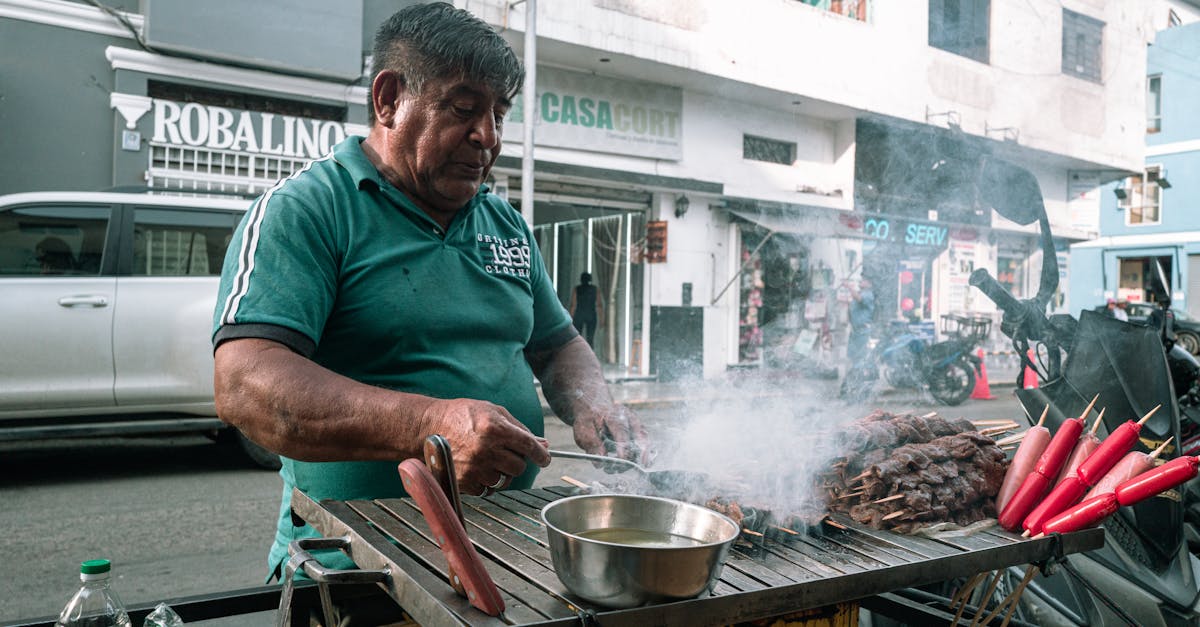
Lima's street food is one of the best parts of the city. Anticuchos at dusk on a Surquillo corner, picarones on a Sunday in Barranco, emoliente from a thermos at 7am — none of this happens in a restaurant. Skipping it because of fear is the second most common rookie mistake here, right after eating ceviche at dinner.
That said, "street food" covers everything from a grandmother who has run the same anticucho cart for 30 years to a guy who appeared this morning with a folding table. The first is safer than most restaurants. The second is a coin flip. This guide is about telling them apart.
If you want the deeper, longer version with risk percentages and what to pack, see Food Safety in Lima: what to eat, what to avoid.
What a safe street vendor looks like
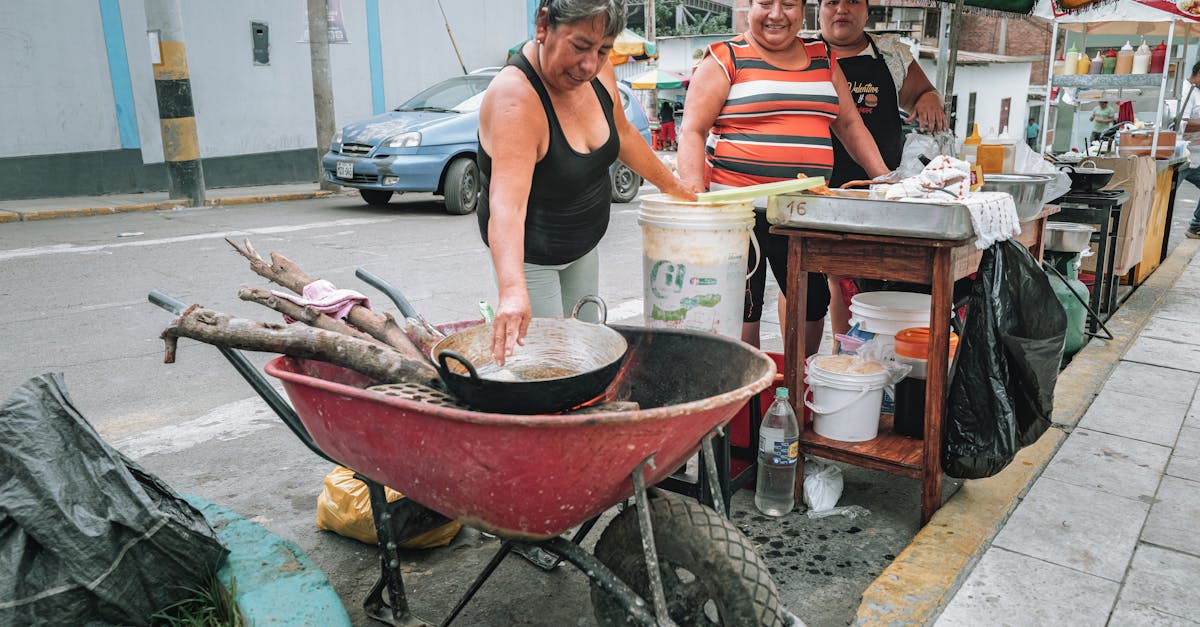
Five signals, in order of importance:
- A line of Limeños. Office workers, taxi drivers, women with shopping bags. Locals know who's been giving them anticuchos for 10 years and who showed up last week. If the line is mostly tourists with phones out, downgrade your trust.
- High turnover. Food sits for minutes, not hours. The grill is loud, the fryer is bubbling, plates leave the cart constantly.
- Visible cooking with real heat. You can see the coals, the oil, the flame. Anything cooked in front of you over high heat is far safer than anything pre-assembled.
- Clean surfaces, separated stations. No flies on raw meat, no dishrag that's been the same color since Tuesday. The vendor handles money with a different hand, or has someone else taking cash.
- Same corner, same person, for years. Ask the nearest tienda owner: "¿desde cuándo está acá?". Five-plus years means the neighborhood has been stress-testing this stall for you.
What's safe to eat from a cart
These are the items that are almost always fine if the cart passes the checks above:
- Anticuchos — beef heart on a skewer, grilled over coal at 300°C+. Served sizzling hot. Bacteria do not survive that grill.
- Picarones — pumpkin and sweet potato dough, deep-fried in front of you, eaten in the next 30 seconds.
- Choclo con queso — boiled corn with a slice of fresh cheese. Simple, hot.
- Emoliente — a hot herbal drink poured from a thermos. Boiling temperature kills the risk.
- Empanadas — if they come out of the oven or the fryer in front of you.
- Tamales — wrapped, steamed, served warm. Eat them where the wrapping is just unfolded.
What needs more caution
Not "never eat", but "be picky":
- Ceviche from a cart. Raw fish + lime + sitting in the sun = avoid. Ceviche is a sit-down dish — see the ceviche guide. If you really want it street-style, only at a busy market stall (Surquillo, Magdalena) and only before 14:00.
- Pre-made sauces in plastic squeeze bottles. The cream-based ones especially. The ají rocoto in a glass jar is usually fine; the white "mayo" sauce in a refilled ketchup bottle is not.
- Cut fruit and salads. Depends entirely on the water used to wash. Whole fruit you peel yourself is always safe.
- Soft cheeses from informal vendors. Often unpasteurized.
- Ice in juices outside of established juice bars. The fruit is fine; the ice is the variable.
Water and ice — the actual source of "Lima belly"
Most travelers blame street food for stomach issues, but the more common culprit is tap water at mid-range restaurants: salad rinsed in tap water, ice in a juice, a glass that wasn't fully dry. Three rules:
- Drink bottled or boiled water. Always. The phrase is "agua sin gas, por favor".
- Brush your teeth with bottled water for the first 3–4 days.
- At nice restaurants, ice is filtered. At cheap ones, ask: "¿el hielo es de agua filtrada?". If they hesitate, skip the ice.
What to do if you get sick
It happens to about a third of visitors. Most cases are mild and pass in 24–48 hours.
- Hydrate aggressively. Gatorade, Electrolit, suero oral from any farmacia (S/3–5).
- Rest and eat plain. Soda crackers, white rice, banana. Skip dairy and grease.
- Don't reach for loperamide first. Let your body flush it out unless you're stuck on a bus or a flight.
- Get medical help if: symptoms last more than 3 days, fever above 38.5°C, blood in stool, or you can't keep water down for 12 hours.
For clinics, packing list, and longer-term prevention, see the advanced food safety guide.
Common mistakes
- Treating all street food the same. A coal-grilled anticucho and a room-temperature papa rellena are not in the same risk category.
- Avoiding street food entirely. You miss the best part of Lima eating, and you eat at the most overpriced tourist restaurants instead.
- Eating at empty carts because it's "convenient". Empty = food sitting. Empty is the warning sign.
- Ordering ceviche from a non-cevichería. The carts are not where ceviche is meant to live.
- Ignoring the ice problem. People skip the anticuchos and then drink three pisco sours with sketchy ice. The ice gets them, not the meat.
A 5-step plan for your first street-food meal
- Pick anticuchos as your first street dish. Highest reward, lowest risk.
- Go between 19:30 and 21:00 on a weekday. Surquillo, Miraflores' Calle Berlín area, or any busy corner in Barranco.
- Find a cart with 6+ Limeños in line. Wait your turn.
- Order "dos anticuchos con papa y choclo". Eat them hot, on the spot.
- Pay cash (have S/10 and S/20 bills). Walk away with a working stomach and a much better grasp of how Lima eats.
Related
- Food Safety in Lima: what to eat, what to avoid — the longer, more medical version.
- Anticuchos — the best place to start.
- Pan con chicharrón — also street-friendly when you find a busy spot.
- How to order food in Lima — phrases for cash, sauces, and asking for things to go.
- Barranco food guide — picarones and weekend street eats.